
DRY NEEDLING
TARGET PAIN. RESTORE MOVEMENT. SUPPORT LASTING CHANGE.
Dry needling is a skilled, evidence-based technique used to reduce pain, improve muscle function, and restore movement. It works by targeting sensitive or overactive areas within muscles that can contribute to pain, tension, and movement restrictions.
Rather than being a standalone treatment, dry needling is thoughtfully integrated into your overall plan of care. When combined with movement, strengthening, and education, it can help create meaningful, lasting change — not just short-term relief.
WHAT IS DRY NEEDLING?
Dry needling involves the use of thin, sterile needles to address areas of muscle tension and dysfunction. By calming the nervous system’s response and improving tissue mobility, dry needling can help reduce pain, improve range of motion, and support more efficient movement patterns.
Treatment is always individualized and performed within the context of your goals, comfort level, and overall recovery plan.
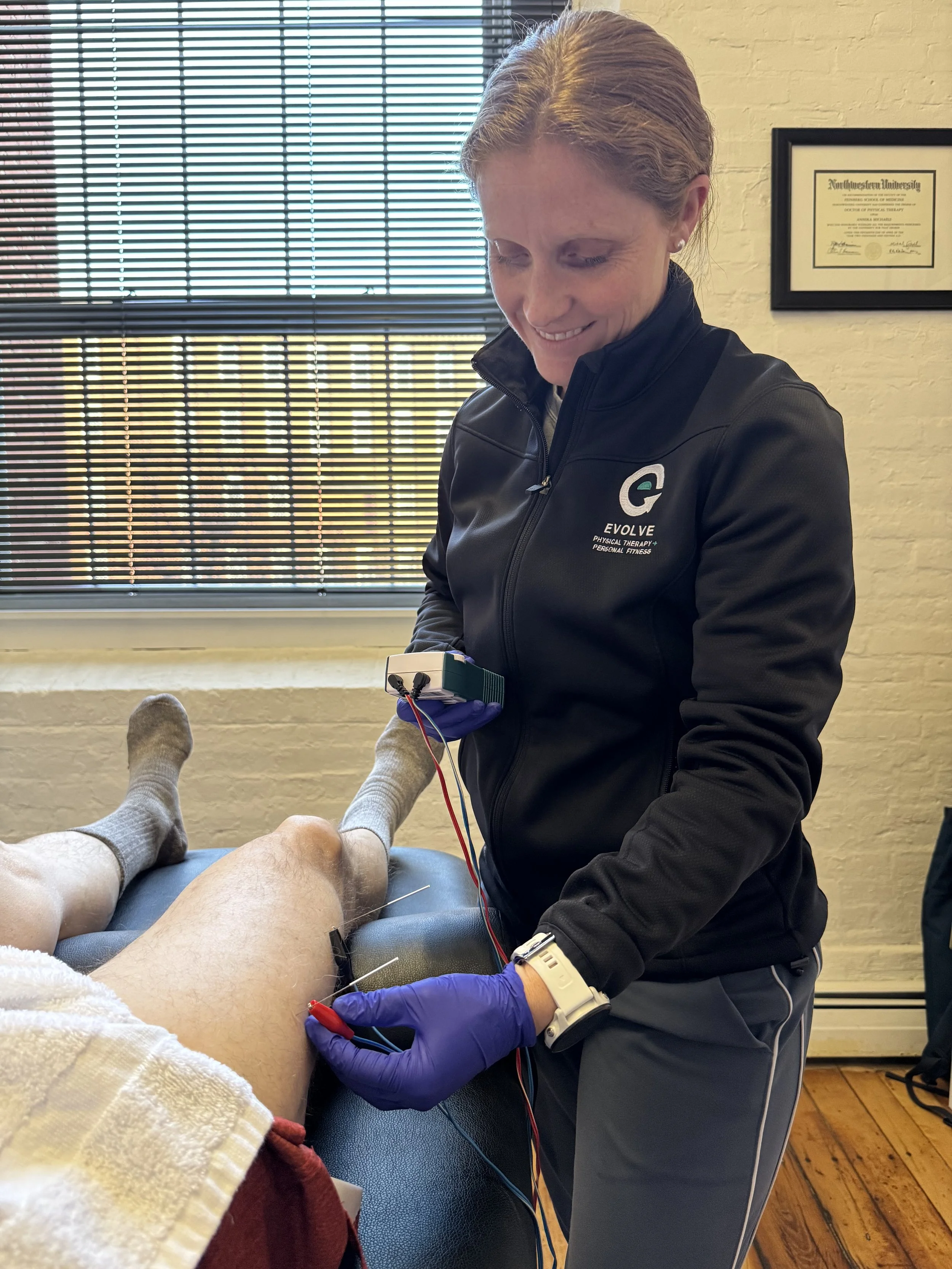
I offer dry needling as part of integrative physical therapy care in Boston’s South End and Manchester, NH.
DRY NEEDLING FAQ
-
Dry needling is a specialized physical therapy technique that uses small, thin needles to release tight muscles, calm irritated nerves, and reduce pain. It helps reset dysfunctional movement patterns, improve circulation, and restore mobility so your body can move with more ease and less tension.
-
Dry needling can support recovery for low back pain, hip pain, knee pain, neck pain, shoulder pain, headaches, running injuries, muscle tension, and chronic pain conditions. It can also be beneficial for people who feel “stuck,” tight, or restricted despite stretching and strengthening.
-
Most people feel a brief, quick sensation or mild muscle twitch, followed by a release and sense of relief or lightness in the area. Some soreness can occur afterward, similar to a workout, but usually resolves within 24–48 hours. Sessions are always tailored to your comfort and tolerance.
-
Although similar needles are used, dry needling is rooted in physical therapy, anatomy, and neuromuscular science. It is designed to address muscle tension, trigger points, movement restrictions, and pain patterns. Acupuncture is based in Traditional Chinese Medicine and follows a different therapeutic philosophy.
-
Most people benefit most when dry needling is combined with movement training, strength work, and nervous system regulation. Some feel change after one session, but meaningful and lasting improvement typically occurs over several visits as part of a guided treatment plan.
-
Dry needling may not be appropriate for everyone. People who should avoid or use caution with dry needling include those who are pregnant (depending on area treated), have uncontrolled bleeding disorders, are on certain blood thinners, have active infections in the treatment area, compromised immune systems, severe needle anxiety, or certain neurological conditions. I always complete a thorough screening and discuss medical history—if dry needling is not the best option, there are many other effective ways we can work together to help you feel better.